-

Using AI to support law students and expand access to justice
At the Peter A. Allard School of Law, professors Jon Festinger, K.C., and Nikos Harris, K.C., are exploring how technology can better support students as they navigate the demands of clinical legal education. These programs offer invaluable hands‑on experience serving clients with limited means, but they also require students to manage complex facts, evolving legal…
-

AI Adoption: British Columbia pharmacists experiment with new tools
A project of the University of British Columbia’s Faculty of Pharmaceutical Sciences, GENRx is a virtual patient simulation platform led by Fong Chan, co-assistant director of the E2P PharmD Program, and Jamie Yuen, assistant director of the UBC Pharmacists Clinic. The idea was inspired by the emergence of AI large language models such as ChatGPT…
-

UBC Cloud Innovation Centre’s role in advancing UBC’s Strategic Directions
With the launch of its refreshed strategic plan UBC’s Strategic Directions 2025-2030 earlier this fall, UBC has a renewed vision for research, teaching, innovation, and community impact. At the same time, the UBC Cloud Innovation Centre (UBC CIC or CIC) continues to grow and emerge as an influential driver of many of the new strategic priorities. Here’s how CIC is helping bring the UBC’s strategic plan to life:
-
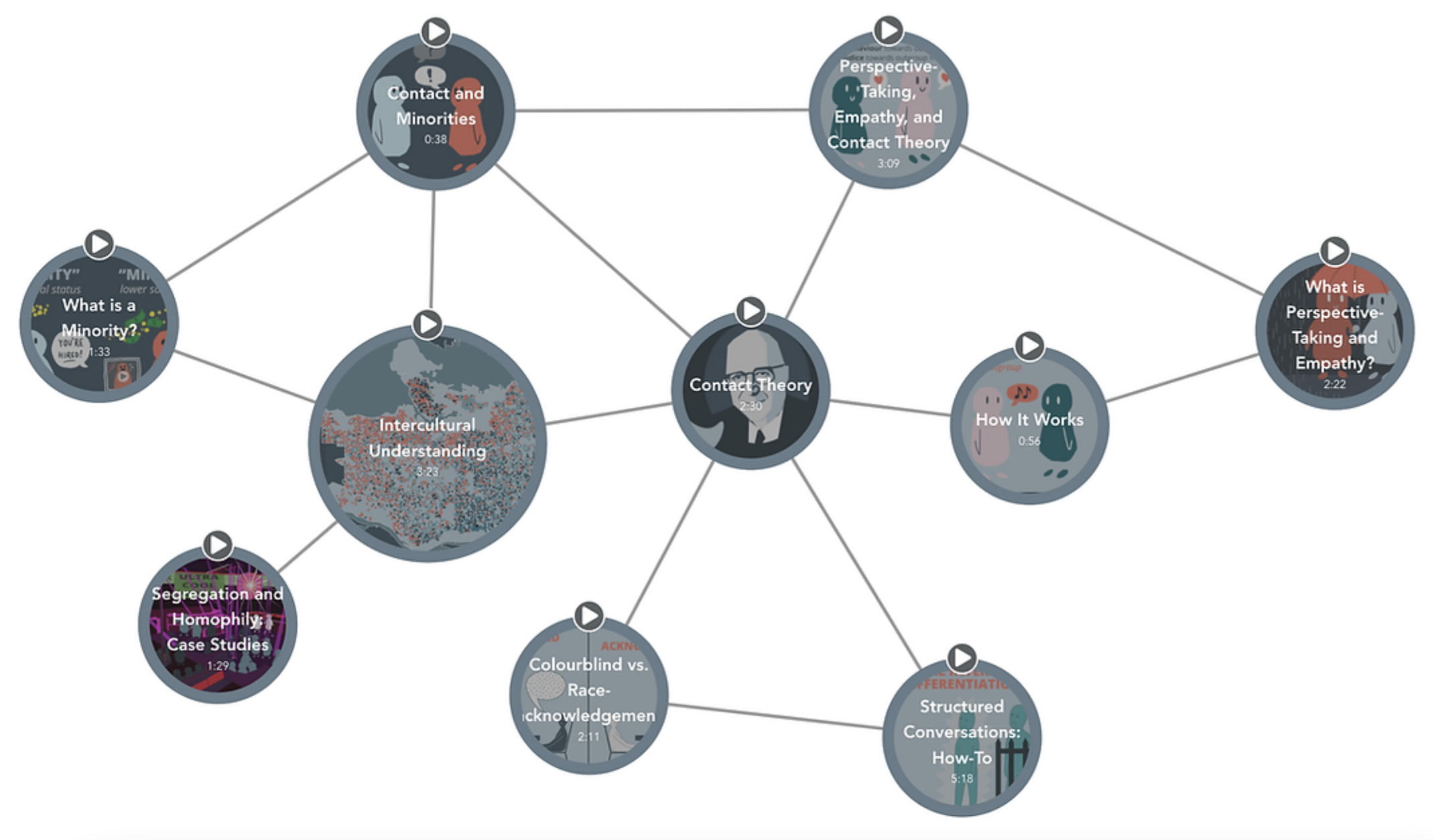
Tapestry Project – Migrating a graph WordPress plugin from a Relational Database to a Graph Database
Tapestry is an open-source online learning platform that allows collaboration in the development of interactive, associative, and multi-modal content. In this blog post, Aayush Behl writes about the process of migrating the Tapestry Tool WordPress plugin that uses the MySQL database for content storage, to a native Graph Database using AWS Neptune.
-

FHIR: Burning a path to interoperability in healthcare
FHIR is an acronym for Fast Healthcare Interoperability Resources, and is an international standard for exchanging healthcare information electronically. Eric Liu explains the importance of FHIR and its technical details.
-

NodeMCU and AWS IoT: A cost-effective, DIY solution for sending data to the Cloud using the Arduino IDE
Sensors can be used to monitor something of interest, such as humidity in soil, CO2 levels in the air, or ambient sound in a room. Student, Shrey Thapar, writes how to use NodeMCU and AWS IoT to create a cost-effective, DIY monitoring solution.